It’s a fair question.
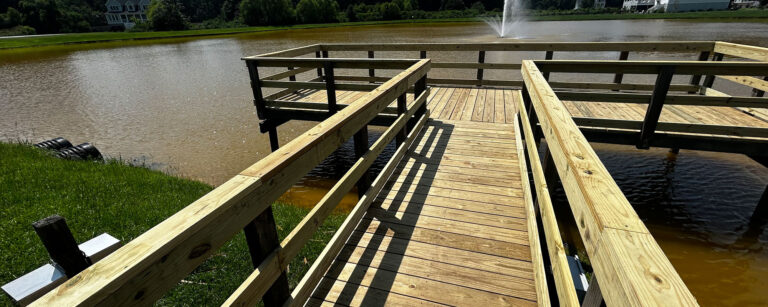
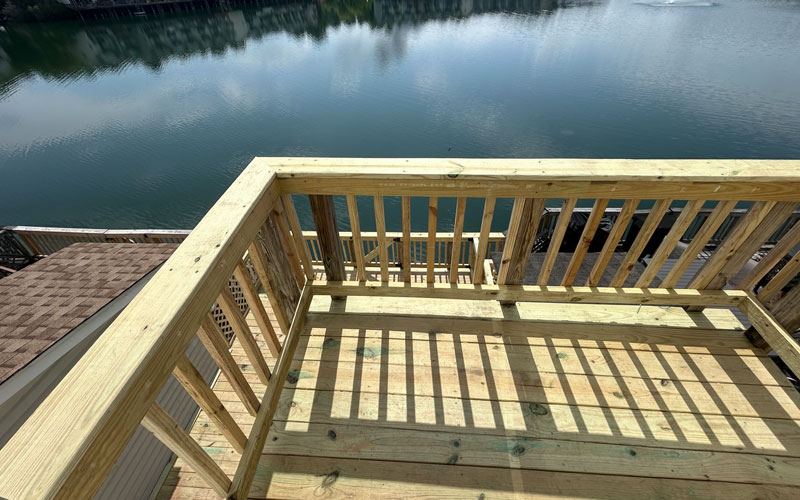
A backyard deck and a dock can look similar from a distance. Both use deck boards, framing, fasteners, and skilled carpentry. But once the work moves near water, over water, or into saltwater, the job changes fast.
Here’s the thing: docks aren’t just decks with a better view.
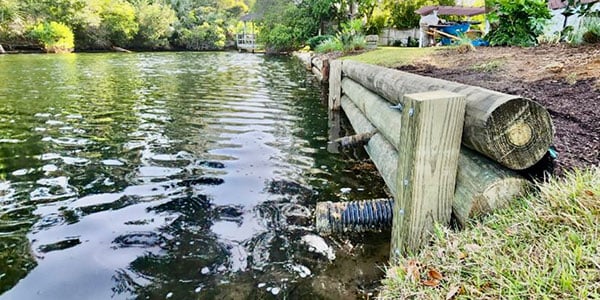
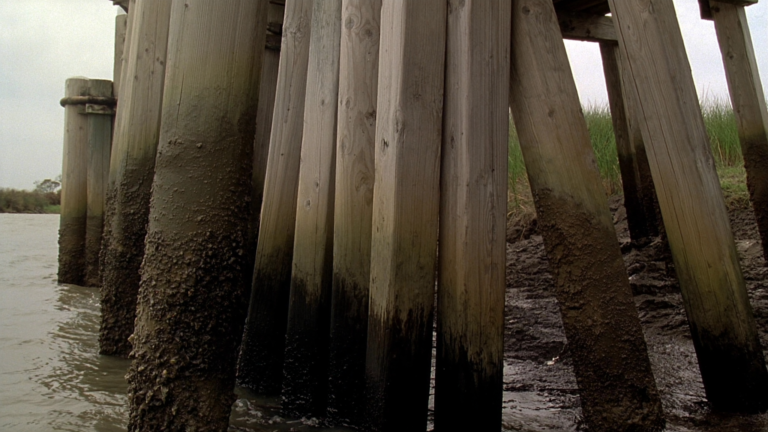
A residential deck is usually built on dry ground with easier access, predictable footing, and standard construction conditions. A dock, pier, floating dock, gangway, or pierhead has to deal with tide movement, soft soils, waves, boat traffic, storms, and constant moisture. In Charleston, SC, that often means brackish or saltwater exposure too.
Saltwater finds every shortcut.
That’s why marine construction usually calls for higher-end, more durable materials. Piles, headers, stringers, deck boards, hardware, rub rail, fasteners, and framing all need to be chosen with corrosion, rot, movement, and long-term exposure in mind. Stainless steel deck screws, marine-grade treated lumber, composite decking, and properly selected hardware cost more upfront than many standard deck materials, but they’re used for a reason.
Access also affects cost. Getting lumber, piles, floats, equipment, and tools to a normal backyard is one thing. Moving material down a narrow side yard, across marsh, along a tidal creek, or over water is another. Sometimes crews have to stage materials carefully, work around tides, use specialized equipment, or transport materials by barge, boat, or long hand-carry routes.
Not glamorous, but important.
Insurance and overhead are also higher in dock work. Over-water work carries different risk than dryland deck construction. Equipment near water, electricity near water, workers operating above water, and marine jobsite conditions require additional care, experience, and coverage. That insurance cost becomes part of what it takes to operate responsibly.
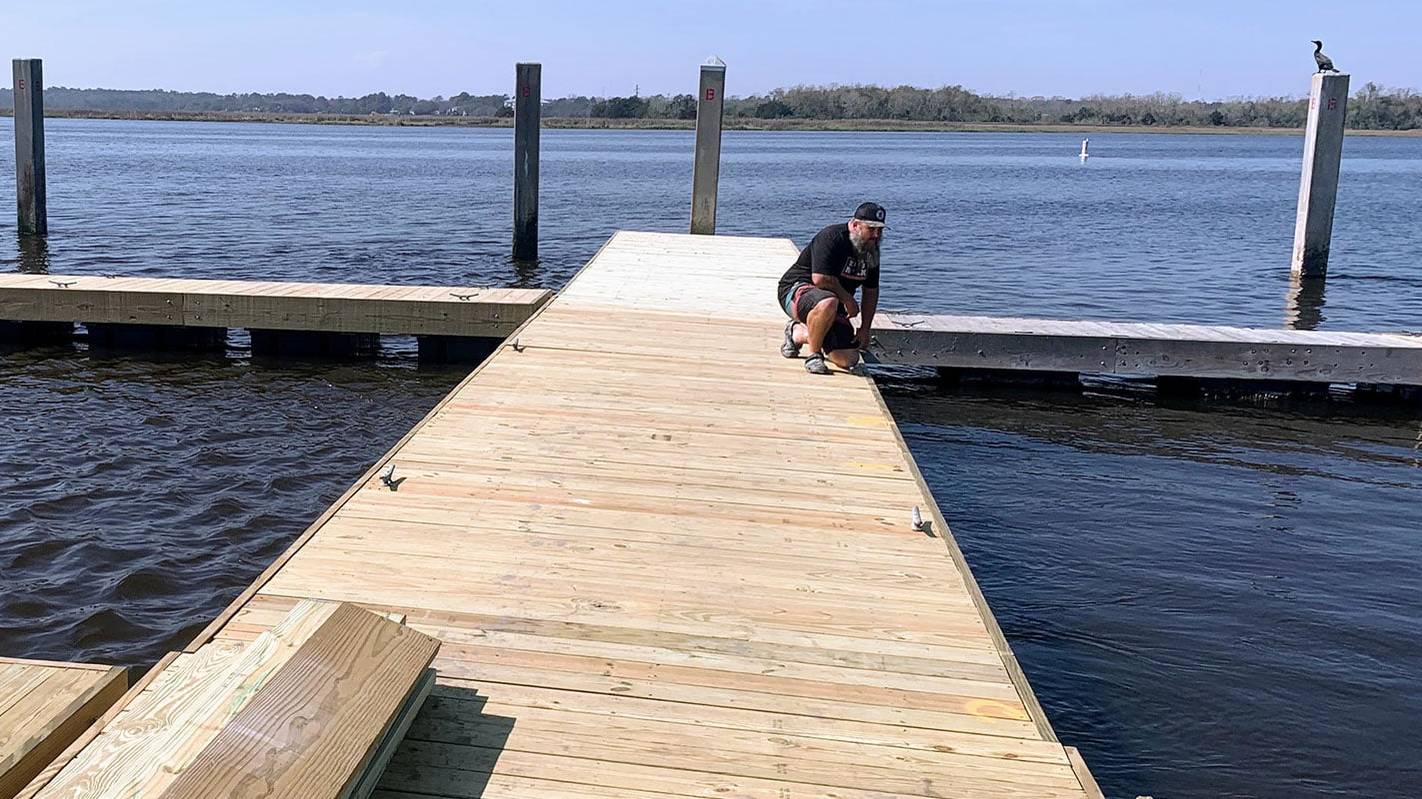
Charleston Dock Doctors LLC understands that a dock has to be more than pretty. It has to be sound, practical, and built for the environment it lives in. Whether we’re handling dock repair, pier construction, floating dock builds, gangway installs, or pierhead repair around James Island, John’s Island, Mount Pleasant, Folly Beach, or Charleston Harbor, the details matter.
A cheaper dock can look fine on day one.
The real test comes after heat, tide cycles, storms, boat bumps, and years of salt air. The water always tells on bad work.
Charleston Dock Doctors LLC focuses on clear communication, practical recommendations, and marine construction built right for Lowcountry conditions. If you’re comparing a dock estimate to a deck estimate, don’t just compare square footage. Compare access, materials, insurance, equipment, corrosion resistance, and the experience needed to work safely over water.
For a quick estimate on dock construction, dock repair, pier work, floating docks, or waterfront improvements, contact Charleston Dock Doctors LLC at CharlestonDockDoctors.com.