Most people hear “marine construction” and picture docks, seawalls, boat lifts, or piers on tidal creeks.
But golf courses need it too.
Across Charleston, Mount Pleasant, James Island, John’s Island, Kiawah, Seabrook, and Moncks Corner, golf courses often have ponds, drainage cuts, small waterways, cart paths, and waterfront homes tucked along fairways. Those features look calm from the tee box, but they still deal with erosion, saturated soil, runoff, shifting banks, and constant use.
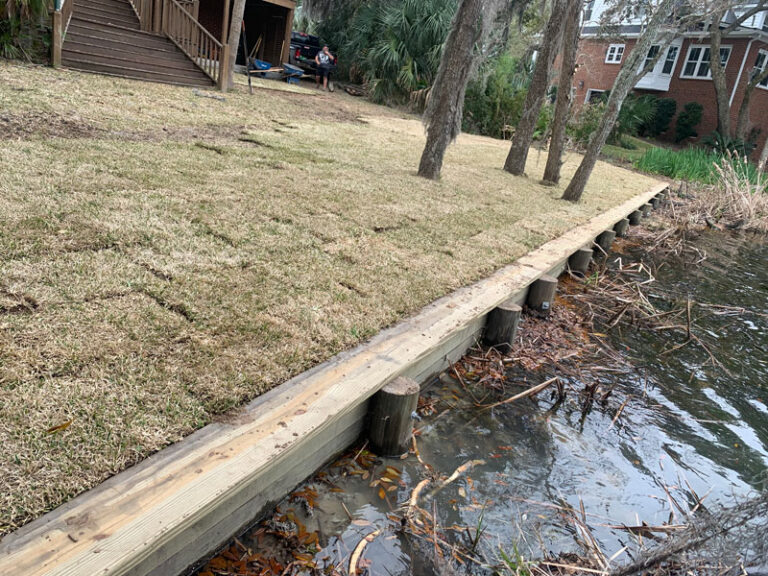
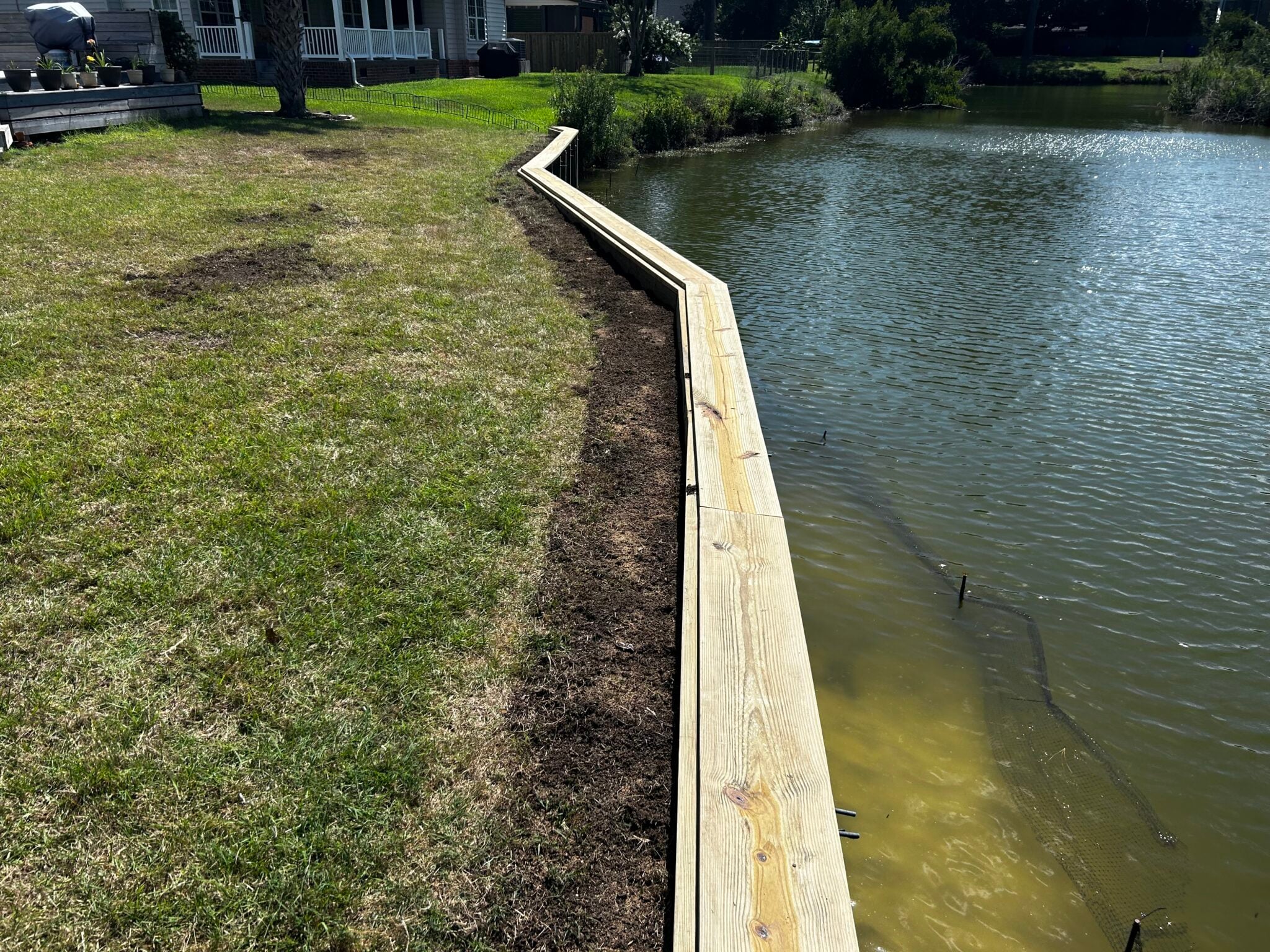
Golf course pond retaining walls and bulkheads do more than hold back soil. They help define the edge of the pond, protect nearby turf, and create a cleaner, more finished look for homeowners, HOAs, clubs, and course managers. On a golf course, appearance matters. A pond wall can’t look like an afterthought.
Small detail. Big difference.
Cart bridges are another overlooked piece of marine construction.
A small bridge over a drainage ditch, pond edge, or creek still needs thoughtful construction. Golf carts, maintenance vehicles, pedestrians, and parked carts can all add load. That doesn’t mean guessing. It means reviewing the site, understanding how the bridge will be used, and building with proper framing, decking, rails, piles, or supports where needed.
The water always tells on bad work.
A bridge that sags, bounces, twists, or traps drainage may become a bigger problem over time. A pond wall that wasn’t built with the right backfill, drainage path, or retaining wall approach may lean, settle, or wash out. Golf course structures need to be attractive, but they also need to be built right, built to last.
Golf courses may not look like job sites for marine construction.
But around ponds and waterways, they absolutely are.
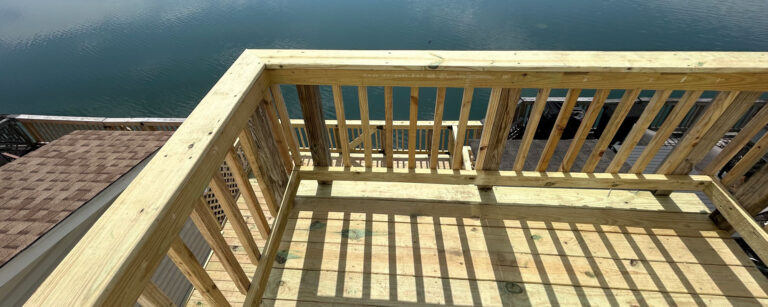
Stainless Steel vs. Coated Decking Screws – The Ultimate Showdown for Marine Construction
When it comes to marine construction, every component matters, right down to the screws holding it all together. At Charleston Dock Doctors…