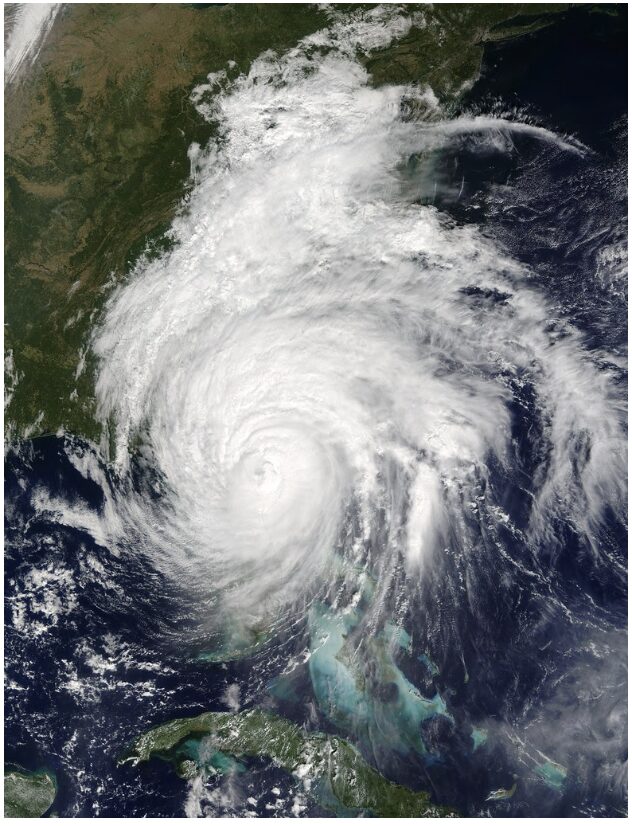
Storm preparation shouldn’t begin when Charleston is already under a hurricane warning.
Storm surge can combine with the normal tide, while waves add even more height and force. Conditions can also change significantly based on a storm’s track, size, speed, and arrival time.
Here’s what Charleston Dock Doctors LLC recommends reviewing before a storm threatens the Lowcountry.
Start With the Decking
Walk your dock, pier, and pierhead. Look for loose deck boards, rot, raised fasteners, rusted nails, or corroded screws.
A weakened board can break free during high water and become floating debris. Charleston Dock Doctors LLC generally recommends properly installed stainless steel deck screws instead of nails for marine decking because the boards need dependable holding power in Charleston’s wet, salty environment.
Small detail. Big difference.
Check Floating-Dock Piles and Pile Glides
A floating dock needs enough usable pile height to rise with elevated water without traveling off the tops of its mooring piles. The piles also need suitable embedment and should not feel loose or unstable.
There isn’t one extension height that works for every property. Exposure on the Stono River may be very different from a protected pond near Moncks Corner. Charleston Dock Doctors LLC can inspect the piles and determine whether pile extensions or other repairs should be considered before hurricane season.
Remove Boats and PWCs Early
Don’t assume a boat lift, float lift, or jet ski lift will protect a vessel during a hurricane. When practical, arrange vessel removal before marinas, haul-out companies, and storage facilities fill up.
Follow your marina’s hurricane plan, your insurer’s requirements, and official evacuation instructions.
Inspect Gangways, Tie-Offs, and Cross Bracing
Check that gangway connections are secure and in serviceable condition. If a floating dock leaves its piles, the gangway can place damaging loads on the pier.
Backup restraint systems may sometimes be appropriate, but line arrangements and connection points should be reviewed for the specific structure rather than treated as a one-size-fits-all solution.
Cross bracing beneath a pier or pierhead should also be securely connected with appropriate structural fasteners. Bracing helps the structure resist lateral movement from wind, waves, debris, and impact.
Charleston Dock Doctors LLC provides dock repair, pile work, floating-dock repair, gangway installation, and hurricane-season inspections throughout Charleston, James Island, John’s Island, Mount Pleasant, and surrounding communities.
Visit CharlestonDockDoctors.com to schedule a dock inspection before a storm is on the forecast.


